Orthodontic Braces: A Complete Guide to Fixed Orthodontic Appliances
Orthodontics is a branch of dentistry concerned with correcting the position of the teeth and jaws. Braces are one of the most commonly used tools in orthodontics, allowing orthodontists to achieve significant improvements in the alignment of the teeth and in the smiles of their patients.
What Are Fixed Orthodontic Appliances?
Fixed appliances, commonly known as “braces,” are orthodontic devices that are bonded to the teeth for the duration of the treatment. They consist of:
- Brackets: Small attachments that are bonded to the surface of the teeth
- Archwires: Metal wires that connect the brackets
- Ligatures: Metal or plastic ties that hold the wires in place
The orthodontist bonds the brackets to the teeth with a special composite resin and then applies the metal archwires to achieve the desired movements. The ligatures can be clear or multicolored, offering up to 40 different shades.
Types of Braces
There are different types of braces, each with its own characteristics:
- Metal braces: They are the most common and affordable. They are made of stainless steel and are extremely durable, but also more noticeable.
- Ceramic braces: They are made of a ceramic material that matches the color of the teeth, making them less visible. They are more expensive and can be more fragile compared with metal ones.
- Polycarbonate braces: They are semi-transparent, combining the discreetness of ceramic braces with the durability of metal ones. They are a middle-ground solution in terms of cost and aesthetics.
Placement of Braces
Braces can be placed in two ways:
- Labial: They are placed on the outer surface of the teeth. They are visible when you smile, but allow easier access for cleaning and adjustments.
- Lingual: They are placed on the inner surface of the teeth. They are practically invisible from the outside, but they may temporarily affect speech and be more difficult to clean.
Advantages and Disadvantages
Each type of braces has its own advantages and disadvantages:
- Metal:
- Noticeable, may cause irritation at first
- Ceramic:
- Discreet, match the color of the teeth
- More expensive, possibly more fragile
- Lingual:
- Invisible, ideal for those who are concerned about appearance
- Difficulty with speech at first, more expensive, harder to clean
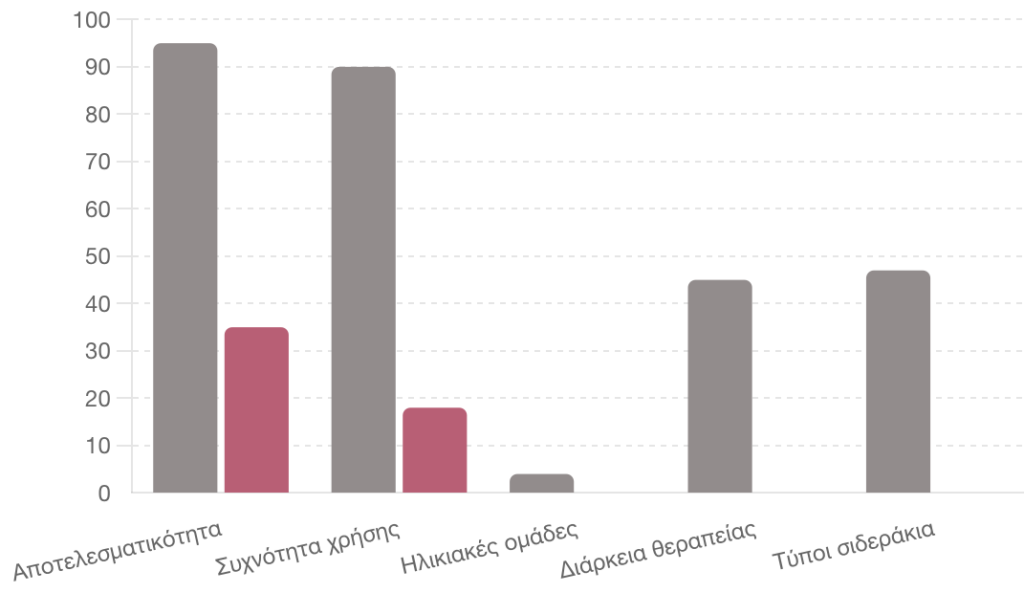
According to recent studies and data from the American Association of Orthodontists (AAO) and other reputable organizations, orthodontic treatment with braces has proven to be particularly effective and widely used:
- Effectiveness:
- 95% of patients who complete orthodontic treatment report significant improvement in the alignment of their teeth.
- About 90% of patients report improved self-confidence after treatment.
- Frequency of use:
- About 4 million people in the US wear braces every year.
- 25% of them are adults, showing that orthodontic treatment is not limited to teenagers.
- Age groups:
- 45% of children aged 10-14 need orthodontic treatment.
- 20% of adults have some form of orthodontic treatment.
- Treatment duration:
- The average duration of treatment with braces is 22 months.
- 80% of cases are completed within 18-24 months.
- Types of braces:
- 47% of patients choose traditional metal braces.
- 35% choose ceramic or clear braces.
- 18% choose other types, such as lingual braces or clear aligners.
Special Appliances
In addition to classic braces, there are also special appliances for specific needs:
- Lingual and palatal arches: Used to maintain space in the mouth.
- Rapid palatal expansion appliances: They help widen the upper dental arch.
- Retainers: Used after the main treatment to maintain the result.
Treatment Duration and Adjustment
Treatment with braces usually lasts from 18 to 24 months, depending on the case. The initial adjustment may take a few weeks, during which the patient may feel mild discomfort and may need to adapt their eating habits.
During treatment, the orthodontist will make regular adjustments to make sure the teeth are moving properly. After the braces are removed, a retainer is usually used to maintain the result.
Frequently Asked Questions
Do braces hurt?
There may be mild discomfort, especially after adjustments, but the pain is usually manageable with pain relievers and soft foods.
How often should I visit the orthodontist?
Usually every 4-6 weeks for adjustments and check-ups. The frequency may vary depending on the stage of treatment.
Can I eat everything with braces?
You should avoid very hard or sticky foods that can damage the braces. Your orthodontist will give you a list of foods to avoid.
How do I clean my teeth with braces?
Careful brushing is required after every meal, along with the use of special floss or interdental brushes. Your orthodontist will show you the correct technique.
How long will I need to wear braces?
The duration of treatment varies, but it usually ranges from 18 to 24 months. Your orthodontist will give you a more accurate estimate based on your case.
External links