

Children’s dental health is vital to their overall well-being. Although baby teeth are temporary, they play a critical role in the development of the oral cavity and in the proper eruption of the permanent teeth. However, there are cases where extracting a baby tooth becomes necessary. In this article, we will explore the conditions under which a pediatric dentist may decide to extract a baby tooth and what this procedure means for your child’s health.
There are two main cases in which the pediatric dentist considers the extraction of a baby tooth necessary:
When a baby tooth is severely damaged or has developed an abscess, extraction may be the only viable option. This usually happens when:
“Early treatment of problems in baby teeth is crucial for preventing more serious complications in the future.”
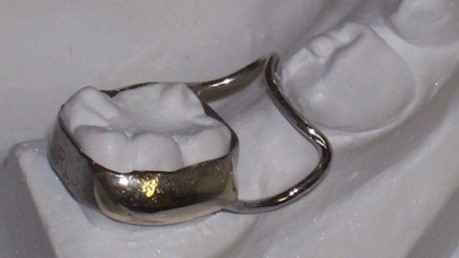
In some cases, the permanent teeth may begin to erupt before the corresponding baby teeth have fallen out. This happens most often:
In these cases, prompt extraction of the baby teeth is necessary to ensure the correct position of the permanent teeth in the dental arch.
Extracting a baby tooth is usually a simple and quick procedure. However, aftercare is just as important:
“Proper care after the extraction of a baby tooth is just as important as the procedure itself.”
The procedure is usually painless, since it is done under local anesthesia. After the procedure, there may be mild discomfort for 1-2 days.
Usually, complete healing takes about a week. However, the time may vary depending on the case.
It is recommended to eat soft foods for the first 24-48 hours and to avoid very hot or very cold drinks.
Extracting a baby tooth, although sometimes necessary, is a procedure that requires careful evaluation by an experienced pediatric dentist. With proper care and follow-up, we can ensure the healthy development of the child’s oral cavity and prevent future problems.
Call to Action: If you notice any worrying signs in your child’s teeth, do not hesitate to contact your pediatric dentist for an evaluation. Early intervention is the key to maintaining a healthy smile!
Note: This article is provided for informational purposes only. The information it contains is intended to be general in nature.